Buying Land Or An Existing Home In Eads
May 14, 2026
May 14, 2026
If you are trying to decide between buying land or purchasing an existing home in Eads, you are not alone. It is a big choice, and the right path depends on how you want to live, how much complexity you are comfortable managing, and how quickly you want to move. This guide will walk you through the practical differences in Eads so you can compare both options with more clarity and confidence. Let’s dive in.
Eads sits in an area where you may find both established homes and larger tracts of land, which makes it appealing if you want flexibility in how you buy. County reporting describes the broader Eads area as a fast-growing place with a mix of suburban and rural characteristics.
That mix matters because it shapes what you will actually see on the market. Some properties may feel close to a typical neighborhood setup, while others may involve acreage, agricultural zoning, septic considerations, and a longer planning process before you ever build.
In a recent county staff report tied to the Eads area, a 69-acre farm and vacant land parcel was zoned Conservation Agriculture, surrounded by large lots and single-family homes, with a proposed subdivision centered on two-acre lots. That is a useful snapshot of why buyers in Eads often compare an existing home against a land-and-build plan rather than treating them as the same kind of purchase.
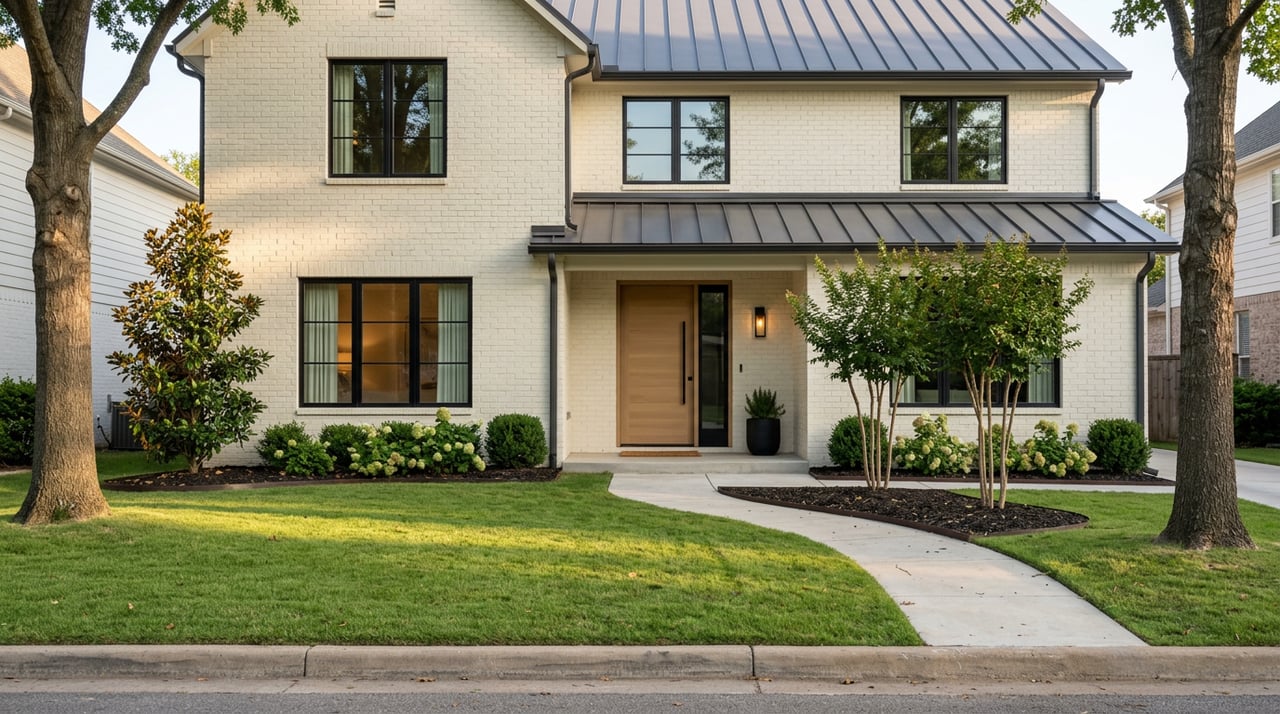
For many buyers, an existing home is the more straightforward option. The house is already built, the driveway is usually in place, and the utility connections are often already established.
That simplicity can make the path to closing feel more familiar. In most cases, you are focused on a standard mortgage, inspections, title work, and property-specific checks rather than the full chain of development approvals that comes with raw land.
With a finished home, much of the major infrastructure may already exist. You are not starting from a blank site and trying to determine whether the parcel can support your plans.
That does not mean you should skip due diligence. It just means your checklist is usually narrower and easier to manage than if you were buying land for a future build.
Even with an existing home in Eads, parcel-by-parcel verification still matters. Utility and site conditions can vary depending on the exact property.
Key items to confirm include:
If a home uses septic, Shelby County notes that septic inspection letters are often requested by buyers, lenders, and real estate professionals during a sale or mortgage process. The county also requires applications for septic installation, modification, repair, or abandonment.
If a property uses a well, Shelby County requires a well application for construction, repair, modification, or abandonment. These are good reminders that even a completed home can come with systems that deserve close review before you move forward.
Buying land can be a great fit if you want more acreage, more privacy, or a home designed around your exact preferences. It can also be the right choice if you are drawn to the idea of building from the ground up and want more control over your layout and finishes.
At the same time, raw land brings a longer and more detailed due diligence process. Before you close, you need to understand whether the parcel can support the home you want to build and what approvals will be required along the way.
In Shelby County, zoning and subdivision rules for unincorporated areas are governed by the Unified Development Code. That means you should confirm early that the tract supports your intended use, lot size, and building plan.
An Eads subdivision file shows how specific these questions can become. In that case, county staff required soil testing for septic suitability, noted that lots would be at least two acres, and stated that the septic area had to remain outside the 100-year floodplain.
That same file also noted an important water-related detail: a two-acre minimum could become a four-acre minimum if the lot uses a well. For buyers, this is a helpful reminder that land rules can shift depending on how the site will actually function.
If you are considering land in Eads, these are some of the most important questions to answer before closing:
Septic is often one of the first big checkpoints for land buyers. Tennessee states that a septic permit should be obtained before dirt work or construction begins, and Shelby County requires an application, plot plan, and soil analysis.
Shelby County says a complete septic permit is normally issued in about one to two weeks, while Tennessee says a complete review generally takes about 10 to 45 days. That range is one reason it helps to start feasibility work early rather than waiting until after closing to ask basic site questions.
Utility planning is especially important in Eads because service can vary by parcel and county. On the Shelby County side, MLGW is the main provider for electricity, natural gas, and water, while sewer service in unincorporated areas is often handled through Memphis or another municipality.
For Fayette County parcels, the county permit guide lists separate utility contacts such as Somerville Light, Gas & Water and Hardeman-Fayette Utility. In practical terms, you should never assume a raw parcel has a standard residential utility setup until each service is verified.
If a parcel needs a well in Shelby County, the county requires an application and site visit, with a normal issuance window of two to three weeks after a complete application. Tennessee also requires well drilling and pump or treatment work to be performed by properly licensed individuals.
Access is another issue that can surprise land buyers. Shelby County requires a driveway permit to connect a property to a public roadway, and county engineering reviews things like line of sight and drainage.
That means a parcel that looks great on paper still needs practical confirmation that safe and approved access can be created. This is one more reason land purchases benefit from a methodical, early review process.
If your project will disturb one acre or more, Tennessee requires an NPDES construction stormwater permit and a site-specific stormwater pollution prevention plan. This may not apply to every homesite, but it can become relevant depending on the size and scope of your project.
For Fayette County parcels, the permit guide states that a wastewater disposal system permit must be granted before a building permit is issued. It also says no clearing or grading should occur before the wastewater permit, which makes early sequencing especially important.
One of the biggest practical differences between these two options is how they are financed. An existing home usually fits a more standard purchase mortgage process, which tends to be easier for buyers who want a simpler timeline.
Land plus construction often follows a different loan structure. Construction loans are short-term loans that fund building in draws as work progresses, and they are often higher-rate than longer-term mortgage loans.
Some construction loans may convert to permanent financing, while others require a separate loan after construction. That structure can add more planning, more lender coordination, and more moving parts throughout the project.
If you buy an existing home, your main timeline is usually centered around the contract, inspections, financing, and closing. If you buy land and build, your timeline may also need to include soils work, septic or well approvals, driveway access, possible stormwater coverage, building permits, and the construction draw schedule.
That does not make building the wrong choice. It just means you should go in with a clear understanding that it usually takes more coordination and patience than buying a finished home.
Because your search area may include Eads addresses tied to Fayette County, it is important to check which county has authority over the parcel before you make assumptions. Rules, permit steps, and utility contacts can differ.
Fayette County’s guide states that a wastewater disposal permit must be approved before a building permit is issued. It also notes that the county building office may deny a permit if the property does not conform to county zoning law, so zoning review should happen early.
Electrical permits in Fayette County must also be obtained from the service provider. If you are comparing parcels across county lines, this is exactly why a one-size-fits-all approach does not work.
If you are buying acreage, one more item may deserve a closer look: Greenbelt tax treatment. Tennessee’s Greenbelt program values qualifying agricultural, forest, and open-space land based on current use rather than market value.
First-time applications are generally due by March 15, and rollback taxes can apply if the use changes later. This will not apply to every parcel, but it is worth asking about if you are buying larger land with agricultural or open-space characteristics.
If your priority is speed, simplicity, and fewer site-work unknowns, an existing home will often be the better fit. You may still need to verify septic, well, floodplain, or utility details, but the path is usually more predictable.
If your priority is acreage, privacy, and design control, land may be the better choice. You just need to be comfortable with phased planning, permitting, utility verification, and a financing structure that can be more involved.
The key in Eads is to confirm exact parcel conditions early. Sewer or septic, water source, legal access, floodplain status, zoning, and county-specific permitting can all affect whether a property is truly the right fit for your goals.
Whether you are comparing a resale home, a lot, or a future build, thoughtful guidance can save you time and help you avoid expensive surprises. If you want help sorting through your options in Eads, Lauren Haynes offers a calm, detail-forward approach for buyers navigating existing homes, land opportunities, and new construction.
Stay up to date on the latest real estate trends.
I approach every transaction with integrity, focus, and a commitment to delivering a seamless experience. From strategy to closing, I’m here to provide steady guidance tailored to your needs.
Lauren Haynes
7475 McVay Station Ct Ste 101 Germantown, TN 38017