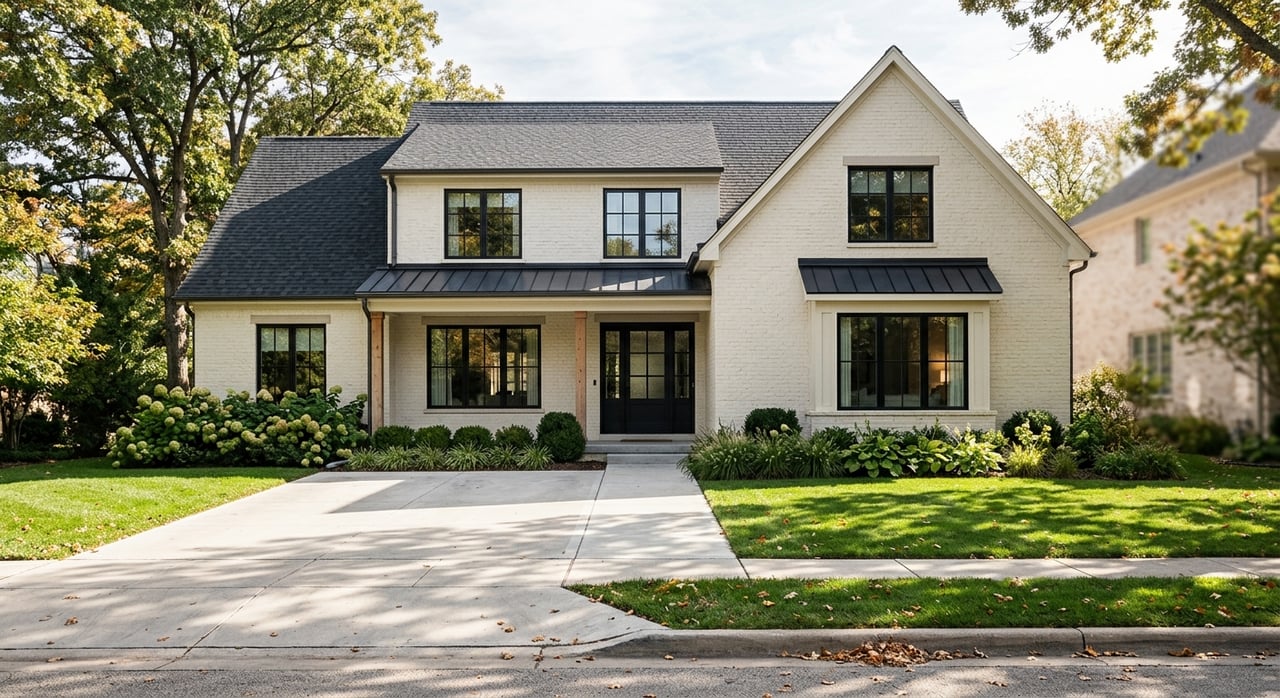
Germantown Neighborhoods Guide: East vs Central Living
July 2, 2026
July 2, 2026
If you’re deciding between east and central Germantown, you’re probably not just comparing maps. You’re thinking about how your days will actually feel, from morning errands and park access to the roads you use most and the kind of neighborhood setting you want around you. This guide breaks down the everyday differences so you can picture which part of Germantown may fit you best. Let’s dive in.
Germantown does not officially divide the city into a simple east-versus-central layout. In city planning documents, you’ll see areas such as the Central Business District, Old Germantown, the West Poplar Avenue District, the East Poplar Avenue Node, and Forest Hill Heights.
For everyday home search purposes, central Germantown is best understood as the historic core around Germantown Road, Poplar Pike, and Poplar Avenue. East Germantown is better understood as the Forest Hill-Irene and Winchester side, along with the east Poplar growth corridor.
That distinction matters because the two areas often support different routines. Central Germantown tends to feel more established and closely tied to civic spaces, while east Germantown reflects more of the city’s newer growth patterns.
Central Germantown often feels like the older, more rooted side of town. The city has streetscape design guidelines for both the Central Business District and Old Germantown, and projects in Old Germantown go through Design Review Commission oversight.
You also see that history in local landmarks and parks. Municipal Park includes the John Gray House, which the city identifies as one of Shelby County’s oldest surviving brick residences, built before 1851.
At the same time, central Germantown is not frozen in the past. It blends older residential areas, civic destinations, and active retail redevelopment along the Poplar corridor, including Germantown Village Square.
East Germantown tells more of the city’s growth story. Forest Hill Heights, a 303-acre strategic area at Forest Hill-Irene and Winchester, was annexed from Shelby County in 2000 and has its own adopted small-area plan.
Planning materials also point to continued change in the East Poplar Avenue Node and nearby mixed-use areas. Together, those pieces suggest an area shaped by newer development, planned growth, and a mix of single-family neighborhoods and retail nodes.
If you are drawn to places that feel more recently built or more corridor-oriented, east Germantown may stand out. It tends to read as more plan-driven and more spread out in day-to-day use.
In central Germantown, the housing and streetscape feel more layered over time. You have older residential sections, historic elements, civic buildings, and retail areas woven together in a relatively tight area.
That can create a setting that feels more established and more connected to the city’s original core. The city budget also notes support for existing single-family homes in older sections of Germantown, which reinforces that long-standing neighborhood character.
In east Germantown, the overall pattern is different. The planning framework points to newer subdivisions, mixed-use development, and strategic growth areas rather than one historic center.
That does not mean every street feels the same. It means the east side is more likely to reflect newer development patterns and larger corridors that connect residential areas with shopping and recreation.
Citywide, Germantown offers 29 parks, more than 600 acres of green space, and more than 10 miles of open greenway within a planned 22-mile loop. The parks department states a goal of recreational and leisure opportunities within a half mile of every home.
That strong park system benefits both sides of town, but the experience can feel a little different depending on where you live.
Central Germantown park anchors include Depot Park, Municipal Park, Oaklawn Garden, Poplar Estates Park, Riverdale Park, and C.O. Franklin Park. These spaces bring together trails, playgrounds, tennis, fishing lakes, gardens, and historic features.
Depot Park includes the renovated historic train depot, while Municipal Park includes the John Gray House. If you like outdoor spaces with a civic or historic backdrop, central Germantown offers several recognizable anchors.
East and mid-east Germantown recreation includes Dogwood Park, Farmington Park, Howard McVay Park, and Johnson Road Park. Johnson Road Park is nearly 60 acres and connects to the greenway system.
The greenway also extends to Farmington on the east side and connects between Johnson Road Park and Houston Levee Park. If your routine includes trail use, larger athletic spaces, or park stops tied to east-side roads, this side may feel especially practical.
Central Germantown shopping is closely tied to the Poplar corridor and the Germantown Road core. Major shopping areas listed by the city include Germantown Village Square Mall, Saddle Creek, and Old Town Center.
This creates a daily pattern where errands, dining, and retail can feel more concentrated around well-known central corridors. Recent activity in Germantown Village Square also shows that this area continues to evolve, not just preserve older patterns.
East Germantown errands tend to cluster around Village Shops of Forest Hill, Forest Hill Shops, Wolf River Retail Center, and TraVure east of Kirby Parkway. City planning materials describe the Village Shops of Forest Hill as primarily retail uses at Poplar and Forest Hill-Irene.
In practical terms, east-side daily life often revolves around key intersections and shopping nodes rather than one historic core. If you prefer a corridor-based routine with quick stops along your drive, that may feel convenient.
The city maintains nearly 220 miles of roads, while Germantown Road and Poplar Avenue are state-maintained corridors. Those roads play an outsized role in daily movement across Germantown.
The city’s current capital planning also includes work on Forest Hill-Irene, Farmington, Johnson Road, Wolf River Boulevard, Poplar Pike, and the Germantown Road, West Street, and Poplar Pike area. That gives a useful picture of which routes matter most in each area.
Central Germantown is more closely tied to Poplar Avenue and Germantown Road. The city’s strategic goals specifically call for improved travel time on those corridors, along with pedestrian and bicycle improvements and streetscape standards in the Central Business District.
That supports the idea that central Germantown is the city’s clearest walkability focus. If you value a more compact feel where civic, retail, and everyday destinations sit closer together, central may be the better fit.
East Germantown is shaped more by Forest Hill-Irene, Winchester, Wolf River Boulevard, Farmington, and Kimbrough. City boundary and capital project notes repeatedly point to those roads as major east-side connectors.
The city is also funding improvements along Forest Hill-Irene from Poplar to Wolf River, along with other paving and corridor work in the area. In everyday terms, east Germantown tends to feel more spread out and more dependent on driving between destinations.
If you are trying to picture daily life, the simplest comparison is this: central Germantown often feels more established, civic, and walkability-focused, while east Germantown often feels newer, more corridor-driven, and more tied to current growth areas.
You may prefer central Germantown if you want:
You may prefer east Germantown if you want:
Neither side is universally better. It really comes down to whether your version of convenience looks more like a connected historic core or a newer corridor-based routine.
| Everyday Factor | Central Germantown | East Germantown |
|---|---|---|
| Overall feel | Older, established, layered | Newer, growth-oriented, plan-driven |
| Main area markers | Germantown Road, Poplar Pike, Poplar Avenue | Forest Hill-Irene, Winchester, east Poplar corridor |
| Park style | Civic, historic, garden, and neighborhood anchors | Athletic, trail-based, and greenway-linked |
| Shopping pattern | Poplar core and central retail districts | Corridor retail nodes and intersections |
| Daily movement | More compact and walkability-focused | More spread out and road-oriented |
If you want help narrowing it down, the most useful next step is to match your real routine to the map. Think about where you want to spend your weekends, which roads you are most likely to use, and whether you are drawn more to established homes, newer development, or even new construction opportunities.
If you’re weighing homes in Germantown and want thoughtful, detail-forward guidance, Lauren Haynes would be glad to help you compare neighborhoods, resale options, and new construction opportunities with a calm, practical approach.
Stay up to date on the latest real estate trends.
I approach every transaction with integrity, focus, and a commitment to delivering a seamless experience. From strategy to closing, I’m here to provide steady guidance tailored to your needs.
Lauren Haynes
7475 McVay Station Ct Ste 101 Germantown, TN 38017