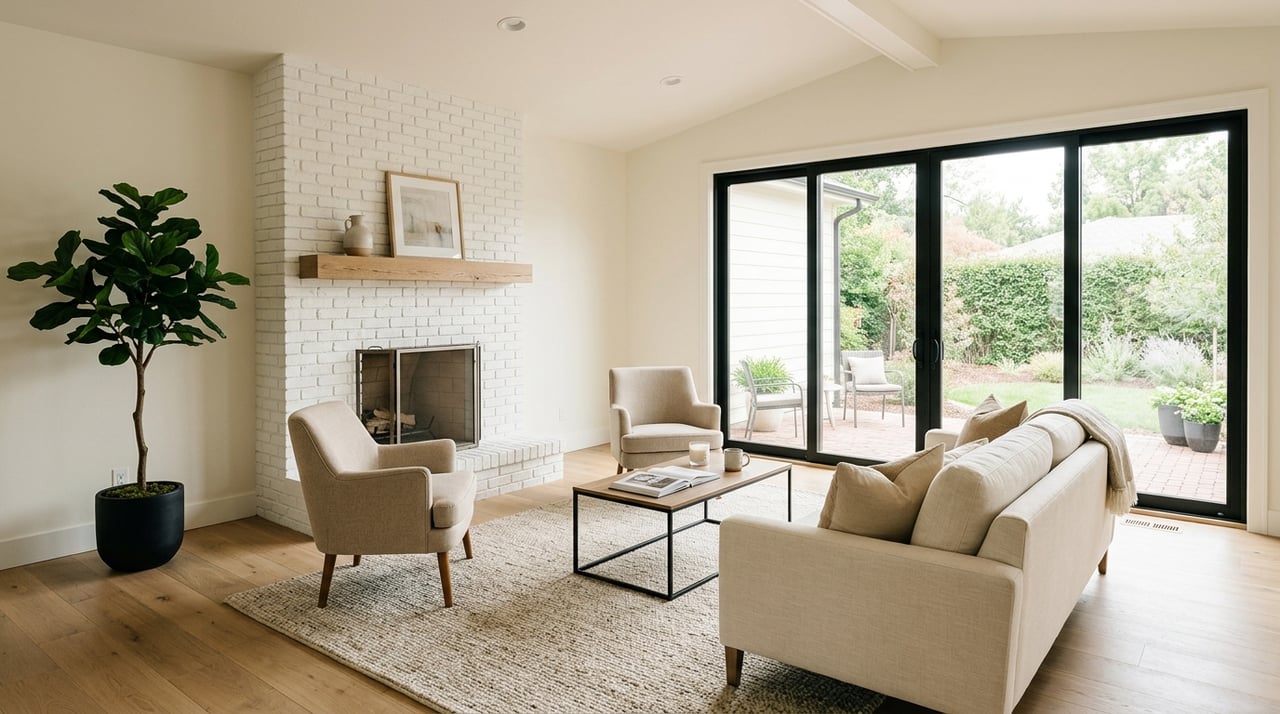
Collierville Seller Timeline From Walkthrough To Closing
June 18, 2026
June 18, 2026
If you are getting ready to sell in Collierville, one of the biggest questions is simple: how long is this actually going to take? Between the first walkthrough, home prep, showings, contract deadlines, and closing details, the process can feel hard to picture when you are still at the starting line. The good news is that a clear timeline can help you plan ahead, reduce stress, and make better decisions from day one. Let’s walk through what a realistic Collierville seller timeline can look like from walkthrough to closing.
In Collierville, recent market trackers suggest homes were going pending in about 53 to 59 days as of spring and early summer 2026. That does not mean every home will follow the exact same path, but it does show that selling often includes more than just putting a sign in the yard and waiting for an offer.
In practical terms, your timeline usually has three parts: preparation, market time, and contract-to-close. Each phase has its own moving pieces, and each one affects how smooth the next step feels.
Your first walkthrough sets the tone for the entire sale. This is where you look at the home with fresh eyes and identify what may need repair, what should be cleaned, and what could be presented better before listing.
This early step is especially helpful if you want to avoid rushed decisions later. A calm, honest walkthrough helps you separate must-do items from nice-to-do updates so you can focus your time and budget where it matters most.
During the walkthrough, focus on the details a buyer is likely to notice in person and in photos. That often includes deferred maintenance, cluttered areas, worn finishes, and anything that keeps the home from feeling clean, bright, and cared for.
A thoughtful walkthrough may also help shape your launch strategy. If a few targeted improvements can strengthen your presentation, it is often easier to handle them before the home goes live than during negotiations.
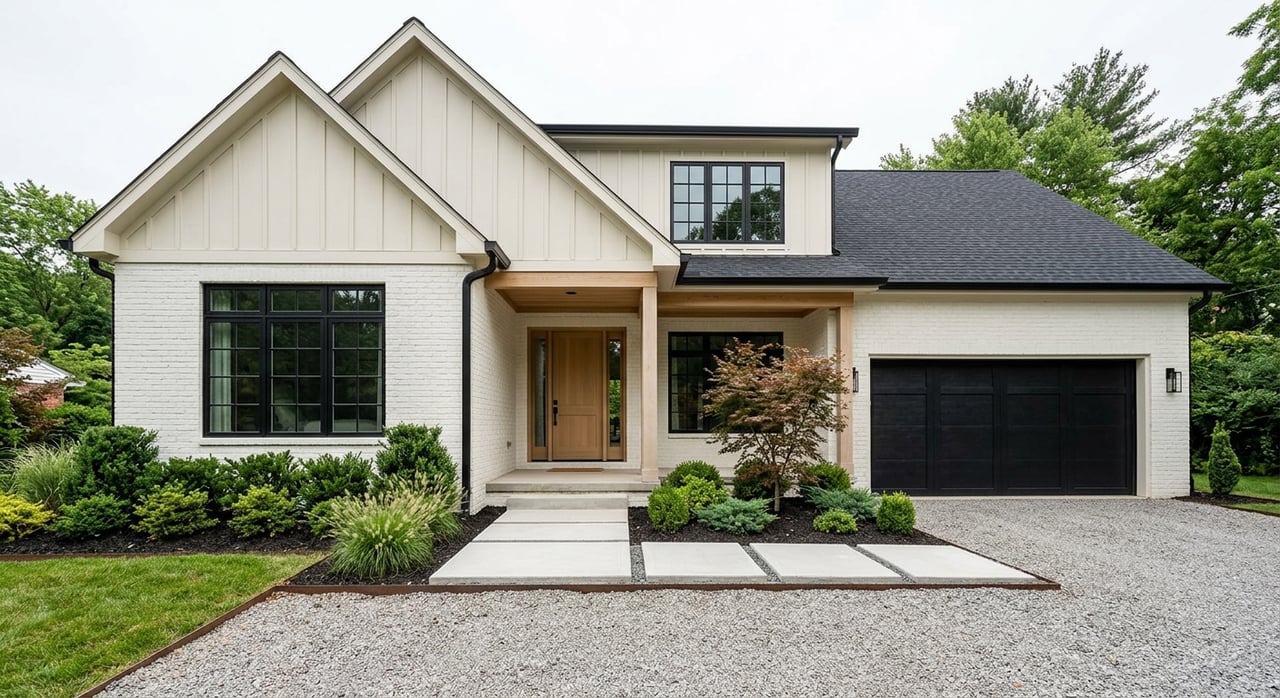
For many sellers, the prep phase is where the most work happens upfront. According to NAR consumer guidance, cleaning, decluttering, improving curb appeal, and staging can help a home show better both online and in person.
This stage can take a little time, especially if you are coordinating repairs, removing extra furniture, or preparing for photography. If you build in enough room here, the rest of the process tends to feel much more manageable.
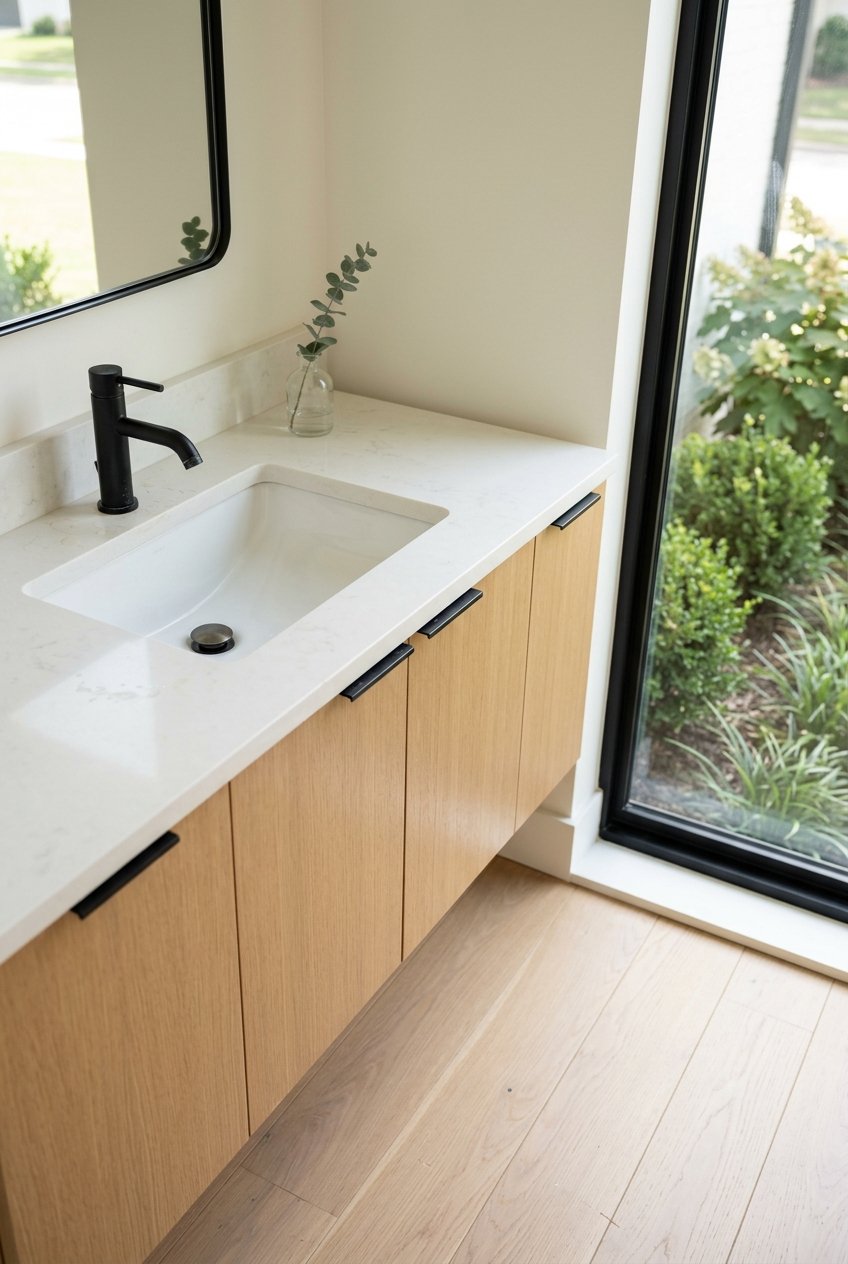
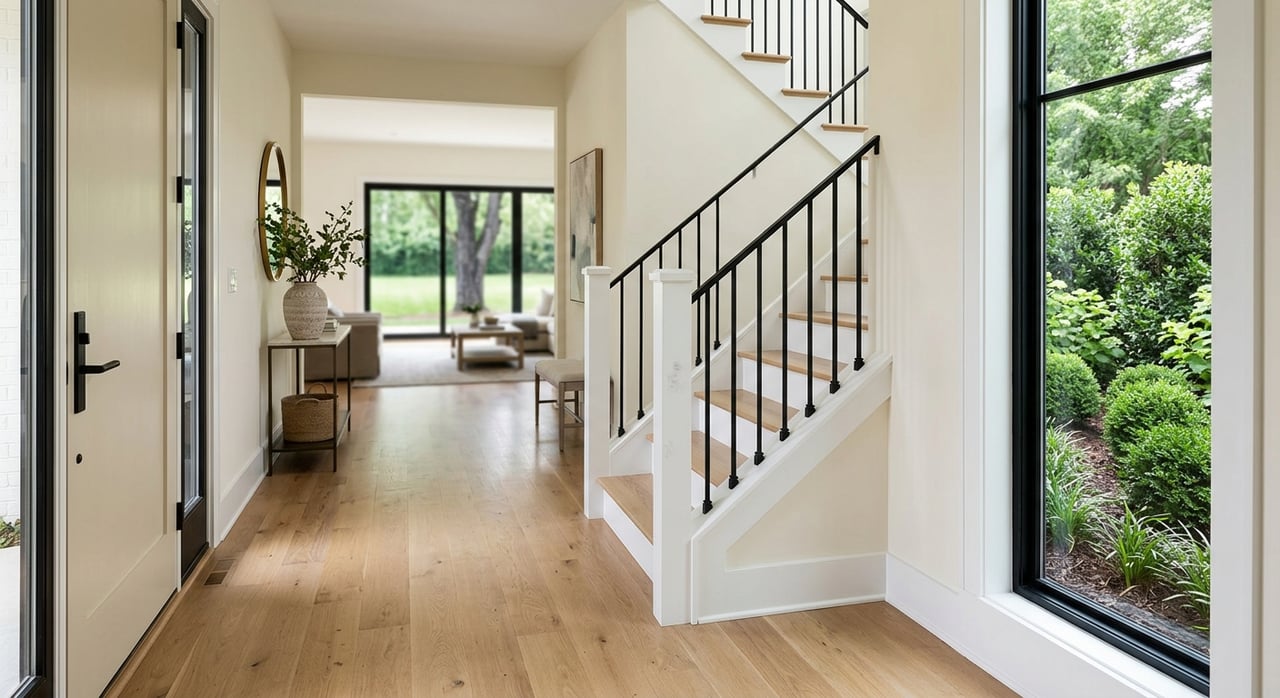
For sellers who care about presentation, this phase matters. A polished launch often starts with small, detail-driven decisions that help the home feel more inviting and easier to understand.
A pre-sale inspection is optional, but it can help uncover issues before buyers do. NAR notes that sellers may want to estimate the cost of major repairs before listing, which can make pricing and negotiation decisions easier later.
Not every seller needs this step, but some do find it useful. If you want more clarity about the home’s condition before you hit the market, it may be worth discussing early in your planning process.
In Tennessee, most sellers of residential real estate must provide a disclosure statement or disclaimer statement before the purchase contract is accepted. The disclosure is not a warranty, and it does not replace the buyer’s inspections, but it is still a key step in the timeline.
The practical takeaway is simple: do not leave this for the last minute. Tennessee guidance shows disclosures may cover known defects or malfunctions, environmental hazards, flood or drainage issues, encroachments, and unpermitted work.
Completing disclosures early gives you time to gather information, ask questions, and avoid scrambling when an offer comes in. It also helps create a smoother contract process because important paperwork is already in motion.
Even though a missing form alone does not automatically let a buyer terminate a contract under the statute, nondisclosure can still create serious problems. For that reason, this is one of the smartest timeline items to handle early.
Once the home is ready, the launch phase begins. NAR describes home marketing as a mix of staging, professional photography, social media, signage, open houses, and competitive pricing.
This is where preparation meets exposure. A strong launch helps your home make a good first impression in the places buyers are most likely to see it.
MLS exposure usually provides the broadest reach to prospective buyers. Once your listing is active, buyers may begin scheduling showings right away, and the first open house is often held the weekend after the home goes live.
That first stretch on the market matters because early attention often shapes momentum. If your pricing, presentation, and marketing are aligned, you are in a better position to attract serious interest.
After launch, your day-to-day routine may shift for a while. Showings can happen quickly, so it helps to have a simple plan that keeps the home ready without making life feel completely upside down.
NAR’s showing checklist recommends keeping counters clear, wiping surfaces, neutralizing odors, securing valuables, taking pets with you, and opening lights and window treatments before each showing. These details help buyers focus on the home itself.
Staging guidance also notes that presentation helps buyers better picture themselves in the space. In a showing, even small details can support that feeling.
Once you accept an offer, your timeline shifts into the contract-to-close phase. This stage often takes several more weeks or longer because multiple parties are working on separate timelines at the same time.
According to NAR, that period may include appraisal, title search, insurance, and mortgage approval. Even after you go pending, there are still important steps that need to come together before closing day.
A closing date can move for many reasons, even in a smooth transaction. Financing steps, appraisal timing, title work, repair negotiations, and document coordination can all influence the calendar.
This is why sellers benefit from thinking beyond the offer itself. A good contract is important, but so is a clear path from agreement to recorded closing.
Closing is the final step in the purchase and financing process. CFPB says the seller signs the deed, and the closing or settlement agent records the transfer documents with the county register of deeds.
Before that happens, the buyer must receive the Closing Disclosure at least three business days before closing. The buyer should also complete a final walkthrough before signing to confirm that agreed repairs were finished.
In the last few days before closing, the focus usually turns to final numbers, transfer documents, and any last details needed for a clean handoff. This is also when payoff figures, prorations, and recording logistics need to line up.
For you as the seller, this stage is often less visible than prep and showings, but it still matters. Careful coordination here helps protect your closing date.
If you are selling in Collierville, a few Shelby County items may affect timing and closing math. Real estate taxes in Shelby County become due and payable beginning the first Monday of October and become delinquent on March 1 of the following year.
Those dates matter because prorations may need to be calculated as part of your closing figures. Tennessee also charges a realty transfer tax of $0.37 per $100 of purchase price, and the Department of Revenue says the tax is paid by the grantee or transferee and collected by the county register when the instrument is recorded.
For many Collierville sellers, the process looks something like this: first walkthrough, home prep, listing launch, active showings, offer acceptance, and then several more weeks to closing. The exact pace will vary, but having a roadmap helps you make thoughtful decisions instead of reactive ones.
If you are planning ahead, the biggest advantage is often simple preparation. When repairs, disclosures, presentation, and timing are handled early, you give yourself more room for a smoother and more confident sale.
If you are thinking about selling in Collierville and want a calm, detail-forward plan for your timeline, pricing, and presentation, Lauren Haynes is here to help.
Stay up to date on the latest real estate trends.


I approach every transaction with integrity, focus, and a commitment to delivering a seamless experience. From strategy to closing, I’m here to provide steady guidance tailored to your needs.

Lauren Haynes
7475 McVay Station Ct Ste 101 Germantown, TN 38017