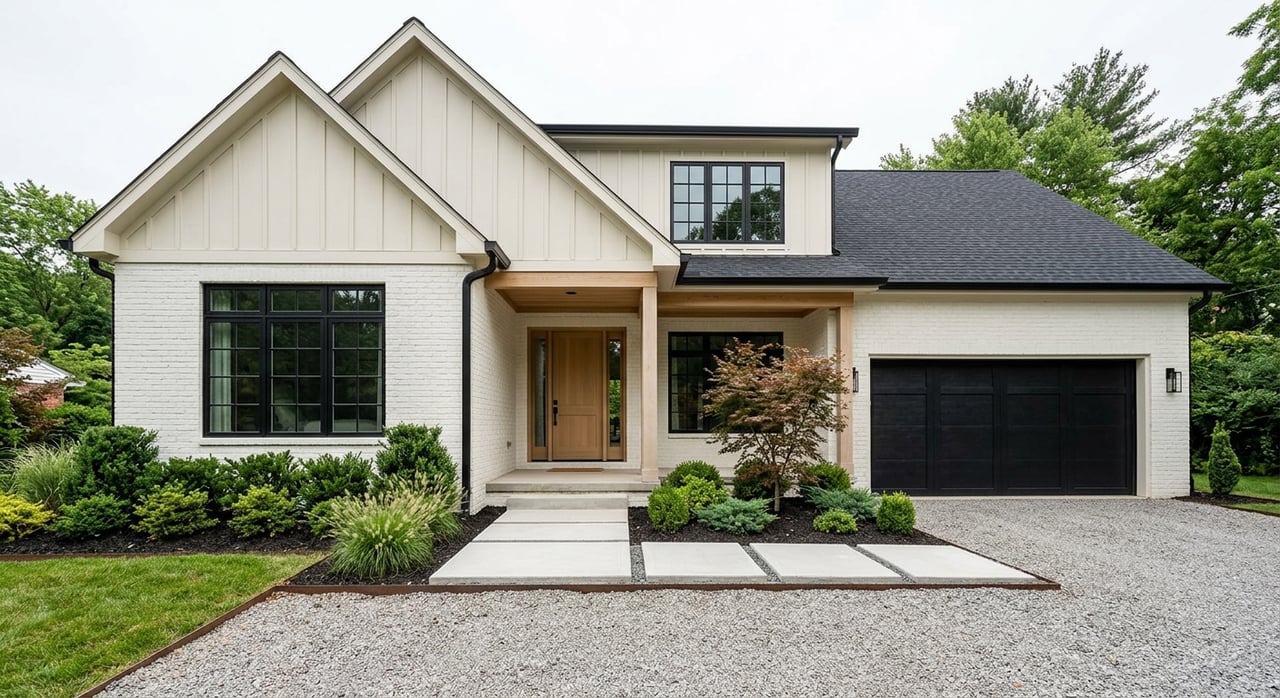
Eads TN New Construction Homes: Planning Your Build
May 21, 2026
May 21, 2026
Building a home in Eads can be exciting, but it also comes with more moving parts than many buyers expect. The lot, the permits, the site work, and the builder contract all affect each other, and one missed detail can create delays or extra costs. If you are planning a new construction build in Eads, this guide will help you understand what to verify early, what to budget for, and how to move through the process with more confidence. Let’s dive in.
In the Eads area, the mailing address does not always tell you the full story. Public planning materials show that the broader Eads corridor reaches the Shelby-Fayette county line, so the parcel’s actual jurisdiction matters when you are planning utilities, approvals, and next steps.
If your lot is in unincorporated Fayette County, the building permit process goes through the Fayette County Office of Planning and Development in Somerville. That is an important first checkpoint because county rules affect what you can build, where it can sit on the lot, and what approvals must happen before construction starts.
Before you commit to land, confirm that the lot can legally support the home you want to build. Fayette County zoning rules state that no excavation or construction may begin until a building permit has been issued, and a permit may be denied if the lot was created or divided in a way that does not comply with county rules.
The permit application also requires a dimensional sketch showing the location of structures and the intended use of the lot. In practical terms, that means you want clarity on home placement, setbacks, driveway location, and any planned accessory structures before you finalize your purchase.
Eads offers more than one path to new construction. Public information points to both custom-build opportunities and subdivision living, which means your experience may look very different depending on the lot you choose.
Some subdivisions may also have private restrictions that apply whether or not HOA membership is active. For example, Woodsedge describes itself as an HOA community with voluntary membership, while its CC&Rs apply to all owners. That makes it important to review covenants before assuming a lot gives you total design freedom.
One of the biggest mistakes buyers make is focusing only on floor plans and finishes. In Fayette County, site work and utilities can drive both budget and timeline, especially if the lot needs septic, a private well, grading, or longer utility runs.
National cost data also supports this. Construction costs are only part of the total picture, while site work, permit fees, water and sewer fees or inspections, and architecture or engineering show up as separate cost categories.
If your project will generate wastewater in Fayette County, septic approval must be in place before a building permit is issued. Tennessee guidance also says a septic permit should be obtained before dirt work or building-pad construction begins.
That sequencing matters. If you move too quickly on clearing or grading without the right approval, you risk rework, delays, and unnecessary expense.
Tennessee guidance says septic permit review generally takes about 10 days and must be completed within 45 days of submission. It is smart to build that review period into your timeline from day one.
Fayette County’s permit guide says there is no fee to apply for the county building permit itself, but there are still meaningful permit-related costs. A new septic permit is $500, and the county’s Adequate Facilities Tax is $0.60 per heated square foot for residential buildings.
Those numbers are a good reminder that your budget needs to cover more than the base construction price. You should also leave room for:
If the lot will need a private well, Tennessee requires a licensed well driller or installer. A general contractor, electrician, or plumber is not automatically allowed to drill or service a well unless they also hold the proper TDEC license.
That is a detail worth confirming early if you are comparing more rural parcels. It can affect scheduling, vendor coordination, and your total site-development cost.
Driveway placement and drainage may not be the most exciting parts of a new build, but they can affect both approval timing and overall cost. Fayette County’s site-plan requirements, combined with the separate cost categories for site work, make this an area you do not want to treat as an afterthought.
A lot that looks simple on paper may still need added grading, drainage planning, or utility routing. The earlier you identify those issues, the easier it is to set a realistic budget and avoid surprises once construction starts.
Choosing a builder is about much more than liking a floor plan. You also want to know whether the builder has the right license, the right classification, and the experience to manage local permitting and site conditions smoothly.
Tennessee requires a contractor’s license before bidding or offering a price on projects of $25,000 or more. The state also advises buyers to verify the license and to ask who will actually perform the work, rather than assuming the person presenting the proposal is the same team handling the build.
For residential building work, Tennessee says BC-A, BC, or BC-B classifications cover residential building. That means it is not enough for a builder to have some kind of state license. The classification should fit the work being done.
State guidance also recommends checking references, complaint or discipline history, written contract terms, and insurance. Tennessee workers’ compensation guidance states that construction employers generally must carry workers’ compensation coverage for employees.
A simple vetting checklist can help you stay organized:
In the Eads area, buyers may choose between a custom builder and a subdivision builder. Both can be a good fit, but the right choice depends on how much flexibility you want, how decisions will be handled, and how comfortable you are with the builder’s process.
As you compare options, look beyond photos and finish selections. Communication style, responsiveness, contract clarity, and local experience often shape your day-to-day experience just as much as the design itself.
A clear written contract is one of the best tools you have in a new construction build. Tennessee’s contractor guidance recommends a written agreement and warns against paying cash or paying the full amount before the work is complete.
For a new build, the contract should spell out the details that tend to create confusion later. That includes allowances, payment timing, change-order rules, and warranty language.
Before you sign, make sure you understand:
This is one place where steady guidance matters. A contract that feels vague at the start often becomes more stressful once construction is underway.
New construction financing usually works differently than a standard mortgage. A construction loan is typically short-term, and funds are released in stages as the home is built.
That means your financing timeline is tied to progress on the job, not just one closing date. It also means you should compare loan terms and features carefully before choosing a lender.
Even with a strong builder, inspections still matter. In Fayette County, a building permit does not waive code compliance, a final inspection is required, and the home cannot be used until a certificate of occupancy is issued.
County rules also state that the final inspection should occur within three working days after notification that the building is ready for use. That makes closeout an important final phase, not just a quick last step.
Builder warranties are separate from inspections. In general, new-home builder warranties often cover permanent parts of the home, with many providing about one year for workmanship and materials, two years for major systems like HVAC, plumbing, and electrical, and up to 10 years for major structural defects.
That does not mean a warranty replaces your need to understand the condition and completion status of the home at closeout. Inspections and warranty coverage serve different purposes.
If there is one theme that comes up again and again in Eads-area new construction, it is this: site work has a big impact on both time and money. Septic review, utility planning, drainage, lot access, and change orders can all affect the schedule.
A realistic plan usually includes contingency room for:
When you go into the process with realistic expectations, you are in a much better position to make calm, informed decisions. That is especially true if you are balancing lot selection, builder communication, and financing at the same time.
Planning a new construction build in Eads takes more than choosing a beautiful design. It takes careful lot due diligence, a solid understanding of Fayette County requirements, and a builder contract that protects your budget and timeline. If you want a calm, detail-forward partner as you compare lots, builders, and next steps, connect with Lauren Haynes.
Stay up to date on the latest real estate trends.


I approach every transaction with integrity, focus, and a commitment to delivering a seamless experience. From strategy to closing, I’m here to provide steady guidance tailored to your needs.
Lauren Haynes
7475 McVay Station Ct Ste 101 Germantown, TN 38017